
DARCARS Nissan of Rockville

Blog / Tips & Tricks

Blog

All Tips & Tricks Rockville Nissan Dealer Learn About Nissan Models Learn About Nissan Cars Maintaining Your Nissan Rockville Nissan Service DARCARS Nissan of Rockville Service Nissan SUVs 2023 Nissan Cars Living in Maryland Nissan EVs Auto Repair Rockville MD Nissan Rogue Nissan Trucks Nissan LEAF Nissan Kicks Nissan Altima Nissan Frontier Nissan Murano Nissan Pathfinder Nissan Sentra Nissan Armada Nissan Versa Nissan Technology Rockville Used Cars Used Nissan Dealer Buying a Car Tips & Tricks Nissan ARIYA Nissan Cars Nissan Oil Change Nissan Parts Rockville Trims and Features Nissan Accessories Nissan Colors Nissan Kicks Play Nissan Safety Features Nissan Z in Rockville Buy vs. Lease Car Emissions Checks Car Rental Rockville, MD Car Trade In Check Engine Light Collision Center in Rockville, MD Engine Service Flat Tire Gifting a Car Murano Trims New Tires Nissan CPO Nissan GT-R Nissan Lease Nissan Midnight Edition Nissan ProPILOT Assist Nissan TITAN Nissan Trims Scratch and Dent Repair Summer Maintenance Transmission Service Waxing Your Car Winter Maintenance
Pumping gas into a car in Rockville, MD

6 Tips for Getting Better Gas Mileage in Rockville, MD

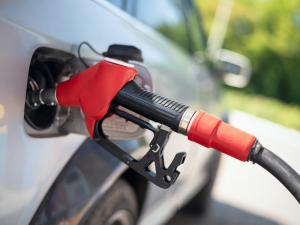
Over time gas prices continue to rise, and though this can be a burden for most, there are plenty of things Rockville, MD drivers can do to get better gas mileage. Here are six things drivers can do to increase their fuel efficiency. Lighten Up The amount of weight your car carries can negatively impact your gas mileage. Drivers who want the most fuel efficiency should consider removing unnecessary weight in their vehicles. Think about luggage, passengers, and accessories too. If you have anything in your car that you won't be needing on your trip, consider leaving it behind. Steady Driving Recklessly speeding and braking can be a huge waste of gas. Drivers who want to make the most out of their mileage should use cruise control when traveling on the highway and maintain steady driving habits in the city. Try to avoid aggressive driving. Not only is it a safety concern, but it doesn't help you get better mileage either. Drivers should also use EcoBoost as much as possible to maximize their vehicle's fuel efficiency. Plan Ahead Understanding your route will help you maintain a steady driving pace. This will also help minimize the number of unnecessary detours and plan the most efficient ways. It would help to group up errands in a similar area to reduce the number of unnecessary trips you make. Drivers can also use apps like GasBuddy to find the best price for fuel in their area. A little planning goes a long way. Watch Your Idling Spending large amounts of time idling can drain the gas in your vehicle. This is especially true if you are running the air conditioning. Try to minimize the amount of time you sit with your car running, and ask if your passengers are good to sit with the vehicle off when you must run in without them. Only consider the air conditioning when necessary, and you can get the most out of your gas money. Maintain Your Car If your car is maintained correctly, it will guarantee better fuel efficiency. Regular oil changes, tire services, and other maintenance can help your vehicle run more efficiently and improve the fuel economy of your car. Ensure that you are keeping your vehicle maintained to maximize your efficiency. Consider a More Efficient Vehicle If fuel economy is essential to you, you might want to consider getting a more efficient vehicle like the 2022 Nissan Kicks, which offers an incredible 31 mpg on city roads, and 37 mpg on highways, which is outstanding for an SUV. Or we suggest putting the stress of gas prices behind you for good by switching to an EV like the Nissan LEAF. Whether your car requires maintenance for better fuel efficiency or if you're interested in shopping for a new vehicle that is better suited for modern times, DARCARS Nissan of Rockville has you covered. Visit our dealership in Rockville, MD, today! We look forward to seeing you soon.
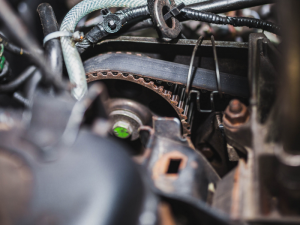
Belt Replacement in Rockville, MD

Need to Replace a Car Belt? Visit Your Nissan Dealer Today

Over time the belts on your car begin to wear and need to be replaced. It would be best if you never waited until a car belt breaks before you get it into your Nissan repair center. Pay attention to your vehicle and watch for warning signs that tell you you need to replace your drive belt before a disaster occurs. Mileage The serpentine belt in your engine compartment is expected to last somewhere between 60,000 and 100,000 miles. However, some belts will fail before 60,000, and others will manage to last much longer. Your owner's manual will have specific recommendations on the appropriate time for belt replacement for your make and model. It is vital to watch your mileage so you don't overshoot your replacement window and run into problems. You may not notice anything going inherently wrong with your drive belt. However, getting the vehicle and the belt checked by professionals will ensure that it is replaced when necessary. The trained technicians at your dealership will be able to locate problems with your drive belt and can fix the issue before the belt breaks. In addition, replacing the belt before it breaks can prevent more expensive repairs, like if the belt were to break and cause damage to your vehicle's engine. Visual Wear It would help if you visually inspected your vehicle's engine compartment regularly. This way, if you notice something out of the ordinary, you can set an appointment with your mechanic. If you visually inspect your serpentine belt and detect any signs of wear, get it changed as soon as possible. This belt is incredibly hardy and can even run for a time with pieces missing. The more of the belt that is missing, the more likely your drive belt will fail. Missing chunks is not the only sign of wear you should be watching for. You should also watch for rot, large cracks, or fraying edges. If you notice that the serpentine belt is experiencing uneven wear, a technician may be able to simply re-adjust the belt. Don't ignore signs of wear. They will only continue to get worse. Strange Sounds If you begin to hear strange or unusual noises coming from your engine compartment, get your car into the dealership to have it inspected as soon as possible. For example, the serpentine belt will often make screeching or high-pitched squealing noises when it fails. The belt could be making sounds due to age and wear, water on the belt, or an engine leak. Water and engine leaks can cause damage to your drive belt. If you notice squealing from the engine compartment, don't wait. Instead, get your car into the dealership to have it checked out. Early intervention can save you big when it comes to repairs, damages, and expensive mechanic bills.   If your car is squealing, screeching, or making other unusual sounds, it's time to visit the professionals. Schedule a service appointment with us at DARCARS Nissan of Rockville today!

Auto Service in Rockville, MD

Reasons to Trust a Certified Nissan Mechanic in Rockville, MD

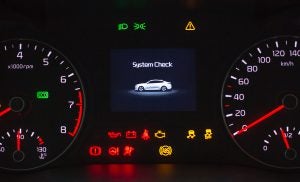
Working with a highly qualified, dealer-trained Nissan mechanic has many advantages. In addition to the fact that they are better trained than general mechanics, they have more experience with your model of car, will always provide you with genuine spare parts, and can provide a range of services. Let's have a look at some of the advantages you might gain by coming to the dealership for your next service appointment. They Know Your Car Inside Out When it comes to servicing your Nissan, there are many options out there. You could learn to do it yourself or have a friend do it, choose your general neighborhood mechanic, or go to your local Nissan dealership. Almost always, the last option is the best one because the mechanics there have been trained to work specifically with Nissan cars. As a result, they have extensive experience working with your make and model, providing you with the best service possible. Not only can such highly trained technicians fix your car faster, but the quality of service will also be much higher. You won't have to worry about your vehicle breaking down again in the near future. They Always Provide You with Genuine Spare Parts If you visit a general mechanic, they might offer you aftermarket or salvaged parts that weren't designed for your model of Nissan car. However, you will always receive genuine parts manufactured by Nissan when you work with a dealer-trained mechanic. That way, the new components will fit your vehicle optimally, and your car will run exactly like it did when new. Using off-brand products can also void your warranty. There's no guarantee that Nissan will recognize aftermarket parts, and they may decide that you no longer qualify for the warranty if you've added such items to your vehicle. You can avoid this by always consulting your dealership mechanic and using the parts that they recommend. They Are Very Accessible Whenever you need us, we will be ready to help you, and it's very easy to get in touch with us. Our service center is open from 7am to 7pm on weekdays and from 7am to 4pm on Saturdays, so you're sure to find a suitable time to bring in your vehicle. If you'd prefer to speak to someone first or it's hard for you to come to the dealership, you can reach us by phone or via the contact form on the website. They Offer Everything You Might Need Aside from regular service, your dealer-trained mechanic will be able to offer you all kinds of services related to your Nissan. For example, there is a collision center at the dealership, so you won't have to find a new place if you're ever in an accident. We can also help you with your accessories and electrical systems. No matter what you need or when you'd like to book your service appointment, your dealership mechanic will be around to help you. Check out our service & parts specials at DARCARS Nissan of Rockville today before scheduling your next service appointment with us. We look forward to serving you soon!

It is vital to check your vehicle's tire pressure regularly to improve handling and your safety on the road. If you ensure that your tires are always inflated to the proper pressure levels, it will save you money on gas and extend the life of your tires. In this article, your Nissan dealer explains how to check the tire pressure on your car and ensure they are inflated to the correct PSI.  Perform Tire Pressure Checks on Cold Tires Wait for the tires to cool down before you do a tire pressure check. A tire pressure reading will be affected if the tires are hot. Wait two to three hours for tires to cool down before checking the tire pressure. Find the Correct PSI You need to know the correct tire pressure level for each tire on your vehicle. You will find the correct PSI for your vehicle's tires on a sticker inside your driver's door. Your vehicle's owner's manual will also have information on the recommended tire pressure levels. If the tire pressure levels between the front and rear tires differ, write down the PSI for each tire on a piece of paper. Use a Tire Pressure Gauge Check the PSI of each tire with an analog or digital tire pressure gauge. An analog dial tire pressure gauge has a dial face with measurements, and an analog pen tire pressure gauge has a stick with numbers or a bar that moves upward to indicate the tire pressure level. The easiest is to use a battery-powered digital tire pressure gauge that gives a digital reading. Measuring the Tire Pressure You can start with any one of the tires on your car. Remove the valve cap and keep it in a safe place. Take your tire pressure gauge and press it against the valve stem until you hear a hissing sound. Hold the tire pressure gauge in place until you get a tire pressure reading. A digital tire pressure gauge will display the reading on a screen. The dial on a standard meter will point to the pressure, or a bar will move upward to show the tire pressure level. Write Down the Reading Write down the reading next to the recommended PSI for that specific tire. Perform a tire pressure reading on the rest of the tires. Remember to write down the reading next to the PSI for each tire. When you measure the tire pressure level of a tire, and it's correct, you can replace the valve cap. If you need to inflate the tire, keep the valve cap in a safe place until after you've increased the level to the correct PSI. Inflate the Tires You now have the tire pressure readings of all four tires. Compare the reading of each tire to the correct tire pressure level that you wrote down on the piece of paper. If the PSI of a tire is lower than the recommended tire pressure level, inflate the tire until it reaches the correct level. It's important not to overinflate the tires as it could cause damage to the tire. If you notice a tire is overinflated, you can push the back of the tire pressure gauge down on the metal pin in the valve stem to release the excess air. Replace the valve cap when the tire is inflated to the correct tire pressure level. Always keep your tires inflated to the correct tire pressure levels to prevent blowouts, decrease wear, and save you money on gas. We're passionate about offering you all of the most valuable automotive information here at DARCARS Nissan of Rockville. So if you don't want to stop there, check out our tips & tricks blogs to keep learning today!

How do I Check the Tire Pressure on My Car? Advice From Your Nissan Dealer.

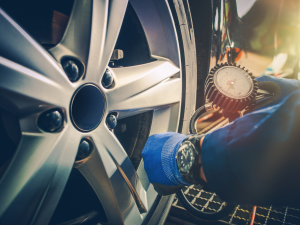
It is vital to check your vehicle's tire pressure regularly to improve handling and your safety on the road. If you ensure that your tires are always inflated to the proper pressure levels, it will save you money on gas and extend the life of your tires. In this article, your Nissan dealer explains how to check the tire pressure on your car and ensure they are inflated to the correct PSI. Perform Tire Pressure Checks on Cold Tires Wait for the tires to cool down before you do a tire pressure check. A tire pressure reading will be affected if the tires are hot. Wait two to three hours for tires to cool down before checking the tire pressure. Find the Correct PSI You need to know the correct tire pressure level for each tire on your vehicle. You will find the correct PSI for your vehicle's tires on a sticker inside your driver's door. Your vehicle's owner's manual will also have information on the recommended tire pressure levels. If the tire pressure levels between the front and rear tires differ, write down the PSI for each tire on a piece of paper. Use a Tire Pressure Gauge Check the PSI of each tire with an analog or digital tire pressure gauge. An analog dial tire pressure gauge has a dial face with measurements, and an analog pen tire pressure gauge has a stick with numbers or a bar that moves upward to indicate the tire pressure level. The easiest is to use a battery-powered digital tire pressure gauge that gives a digital reading. Measuring the Tire Pressure You can start with any one of the tires on your car. Remove the valve cap and keep it in a safe place. Take your tire pressure gauge and press it against the valve stem until you hear a hissing sound. Hold the tire pressure gauge in place until you get a tire pressure reading. A digital tire pressure gauge will display the reading on a screen. The dial on a standard meter will point to the pressure, or a bar will move upward to show the tire pressure level. Write Down the Reading Write down the reading next to the recommended PSI for that specific tire. Perform a tire pressure reading on the rest of the tires. Remember to write down the reading next to the PSI for each tire. When you measure the tire pressure level of a tire, and it's correct, you can replace the valve cap. If you need to inflate the tire, keep the valve cap in a safe place until after you've increased the level to the correct PSI. Inflate the Tires You now have the tire pressure readings of all four tires. Compare the reading of each tire to the correct tire pressure level that you wrote down on the piece of paper. If the PSI of a tire is lower than the recommended tire pressure level, inflate the tire until it reaches the correct level. It's important not to overinflate the tires as it could cause damage to the tire. If you notice a tire is overinflated, you can push the back of the tire pressure gauge down on the metal pin in the valve stem to release the excess air. Replace the valve cap when the tire is inflated to the correct tire pressure level.     Always keep your tires inflated to the correct tire pressure levels to prevent blowouts, decrease wear, and save you money on gas. We're passionate about offering you all of the most valuable automotive information here at DARCARS Nissan of Rockville. So if you don't want to stop there, check out our tips & tricks blogs to keep learning today!

Potholes in Maryland

How to Avoid Pothole Damage in Maryland

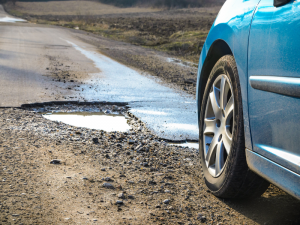
Maryland is no stranger to cold, wet winters and poor road conditions. When moisture gets into cracks and crevices in road surfaces, it can then expand and contract due to rising and falling temperatures. This can cause the pavement to break up and create damaging potholes. Pothole damage can mean costly repairs to auto parts like wheels, rims, struts, and shocks and can even cause a dangerous blown tire situation. Drivers should keep a few strategies in mind to avoid and minimize damage. Look Ahead The sooner a pothole is spotted, the sooner the driver can take steps to avoid it or at least minimize impact. This includes looking for puddles, which can obscure potholes under muddy water. Like driving in any unusual road condition, keeping eyes on the road ahead and avoiding distractions is critical. Reduce Speed Sometimes it's impossible to avoid hitting a pothole, in which case the best course of action is to slow down to minimize impact. However, in the interest of safety, drivers should always check the rearview mirror before braking suddenly. Avoid Swerving A driver's first instinct may be to simply swerve around the pothole or puddle, but this is a dangerous tactic that should be avoided. Because this state's roads tend to be heavily congested, swerving around a pothole could cause a collision with another vehicle. When the key reason for avoiding the pothole is to minimize damage, getting into a collision would clearly defeat this purpose, causing vehicle damage and possibly injuries to the parties involved. Check Tires One of the best ways to protect a vehicle from not only a pothole, but any road surface impact, is to make sure tires are correctly inflated and have adequate tread. Proper tire pressure levels can be found in the vehicle owner's manual or on a sticker inside the driver's door. Pay Attention After Impact After unavoidable contact with a pothole, drivers should feel and listen for any changes in the car's operation. Wobbling or pulling to the left or right could indicate that the vehicle has been knocked out of alignment or suffered damage to tires, wheels, or suspension. New or unusual noises or vibrations could also indicate problems caused by the impact. A qualified automotive technician should check all of these for safety's sake and to avoid further damage.   It's essential to prevent pothole damage to your car; however, it might not be possible to avoid it indefinitely. Schedule your next auto repair with us at DARCARS Nissan of Rockville and be sure to ask our service technicians to check the overall health of your tires to continue preventing pothole damage.

Contact Us

Fill out this form below and we'll contact you shortly
*Required Fields